Australia, we need to talk
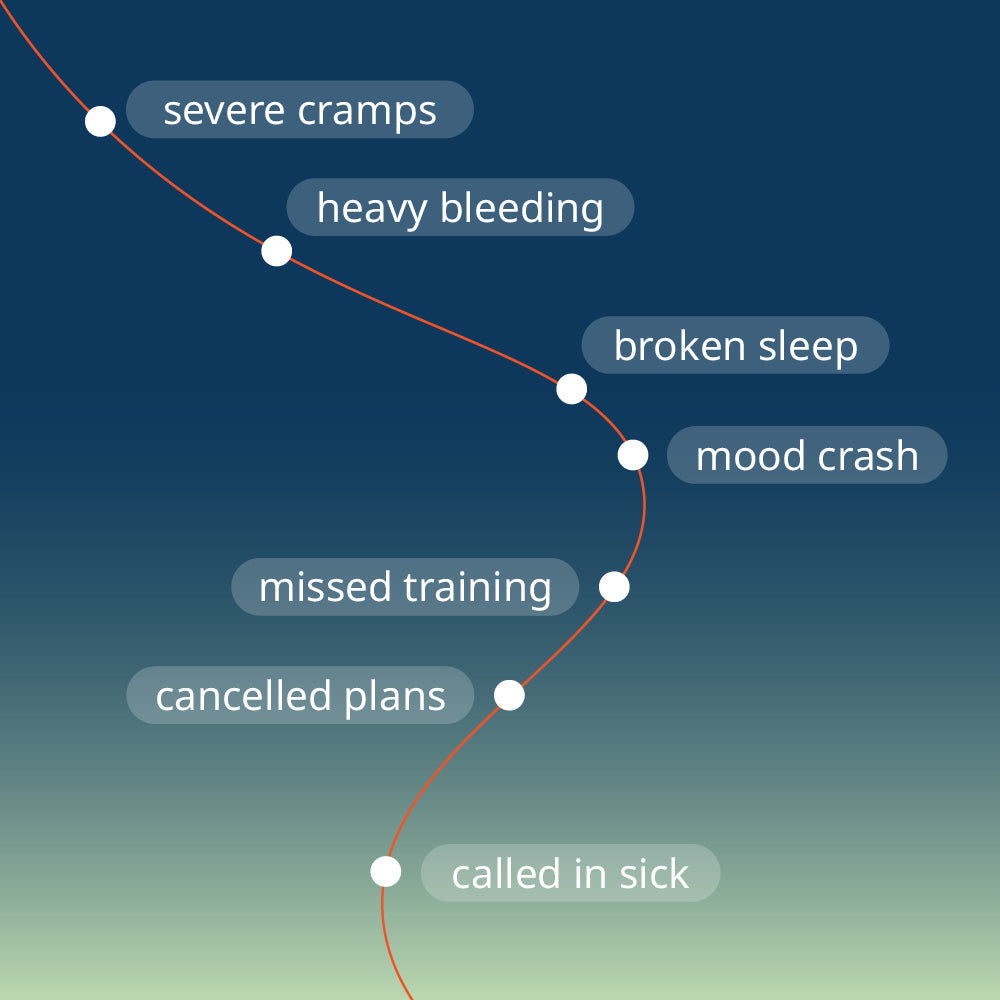
If you have ever trained through cramps so bad you had to ‘breathe through it’ like labour, you are not weak. You are not dramatic. You are not ‘using your period as an excuse’.
You are a woman in sport.
And for years, sport has quietly trained women to pretend their menstrual cycle should not affect performance.
That if it does, you are ‘overthinking’, ‘making excuses’, or somehow not tough enough.
Nope.
That is not a mindset problem. That is biology - and a sports system that has spent far too long acting like female physiology is an optional extra.¹ ²
The ‘push through it’ culture is not toughness. It is silence.
A female athlete once shared that the hardest race of her career was not altitude training, rehab, or a major final.
It was racing with severe period cramps while pretending everything was fine.
No one asked what she needed.
No one adjusted the plan.
No one said, ‘Maybe this matters.’
The expectation was simple: push through it.
And that story is not rare. Australian athlete research shows menstrual symptoms are extremely common, yet many athletes still report limited conversation with coaches and little meaningful adjustment to training loads.¹ ²
So when the body is clearly speaking and sport replies with silence, that is not resilience.
That is a system flaw in compression tights.
Why ‘gender-neutral’ training is not neutral at all
For decades, sports science treated male physiology as the default and female physiology as the complicated side plot.
Hormonal fluctuations were often labelled too messy, too variable, or too inconvenient to study properly. So women were expected to perform inside training systems built for bodies that do not cycle the same way.³ ⁴
That is not neutral.
That is male-default training with a tidy little PR spin.
Research and lived experience both suggest hormones can influence:
-
perceived effort
-
thermoregulation and heat tolerance
-
sleep quality
-
inflammation and pain sensitivity
-
mood and recovery capacity³ ⁴
Add period cramps, fatigue, headaches, bloating, and a gut that suddenly behaves like it has filed for independence, and ignoring the cycle stops looking ‘tough’.
It starts looking uninformed.
What Australian research says about periods and performance
Two Australian-based datasets are especially worth paying attention to.
In one elite athlete cohort around Tokyo Olympics preparation, symptoms like pain, bloating, and low energy were widespread. Athletes with multiple symptoms were more likely to feel those symptoms affected performance.²
In another Australian study, many female athletes reported that their cycle affected training and competition - but fewer reported meaningful support, training adjustments, or open conversation with coaches.¹
Translation?
This is common.
This is real.
And this has been under-supported for far too long.
The cycle basics - without the beige textbook energy
Every cycle is different. Stress, travel, heavy training, hormonal contraception, perimenopause, PCOS, endometriosis, adenomyosis, and life generally being life can all affect symptoms and timing.
Still, these broad patterns can help women make sense of what is happening in their bodies.
Menstruation
Hormones drop. Prostaglandins can rise, which may trigger uterine contractions and inflammation. That can mean cramps, headaches, fatigue, nausea, diarrhoea, and digestive upset.⁵
So when someone says, ‘It is just a period’, they are often skipping the bit where your uterus is staging a monthly protest.
Follicular phase
This is the phase after your period and before ovulation. Oestrogen rises, and many women report better energy, stronger recovery, and greater tolerance for intensity during this time.
Not every woman. Not every cycle. But enough to be worth noticing.
Luteal phase
This is the phase after ovulation and before your next period. Progesterone rises, body temperature can increase, sleep may feel lighter, and endurance work can feel more taxing - especially in the heat.³ ⁴
Important: this does not mean you cannot perform on your period.
Women do it every day.
It means your body may need different support at different points in the month - and pretending otherwise helps no one except outdated coaching models.
Sport-specific reality: the cycle can hit your sport differently
The cycle does not affect every athlete the same way, and it does not show up the same way in every sport either.
Endurance sports
Running, cycling, triathlon, and swimming can all feel particularly spicy in the late luteal phase. Higher perceived effort, heat sensitivity, poorer sleep, and pre-period gut issues can make already hard sessions feel like a cruel social experiment.³
Try this: plan your biggest sessions when you reliably feel more stable, protect sleep in the late luteal phase, and be deliberate with hydration and electrolytes.
Team sports
Football, netball, AFLW, basketball, hockey - game day does not politely reschedule itself because your uterus has chosen violence.
Athletes may be dealing with cramps, fatigue, poor sleep, mood shifts, and pressure to ‘get on with it’ because competition schedules do not stop. Australian data suggests symptoms are common and often perceived to affect performance, so this is not about excuses. It is about load management.²
Try this: normalise cycle tracking, build symptom plans, and make room for game-day options like warm-up modifications, substitution flexibility, and stronger recovery support.
Strength and power sports
Lifting, sprinting, CrossFit-style training, and throwing events can all feel different across the cycle. Some women feel strongest mid-cycle. Others feel best just after their period. Others hit the late luteal phase and feel like someone has swapped their legs for wet cement.
Try this: track sleep, energy, cramps, mood, and performance markers across 2-3 cycles. Your personal pattern is far more useful than any generic ‘women should train like this’ advice.
The elephant in the locker room: period pain - and when it is not ‘normal’
Painful periods are often brushed off as a minor inconvenience, but dysmenorrhoea is frequently linked to prostaglandins and inflammation.⁵
And for many women, it is not just ‘a bit uncomfortable’.
It can include:
-
nausea
-
dizziness
-
diarrhoea or gut pain
-
headaches
-
fatigue that makes ‘just train’ feel mildly insulting⁵
If period pain is severe, worsening, or consistently disrupting training, work, school, or daily life - or if you suspect endometriosis or adenomyosis - you deserve proper medical support.
Let’s retire the old classic of ‘it’s common, so it’s fine’.
Common is not the same as normal.
And normal is not the same as acceptable.
What cycle-aware training looks like in real life
Not a perfect spreadsheet.
Not an app bossing you around.
Not ‘sorry coach, my luteal phase said no’.
Cycle-aware training simply means adjusting intensity, recovery, and support based on your cycle and your actual symptoms.
A simple starting point:
If you feel best in the follicular phase
Use that window well. Schedule higher-intensity sessions, heavier lifts, speed work, or progressions when recovery and energy are strong.
If the late luteal phase feels harder
Reduce the ‘hero sessions’. Protect sleep. Increase your recovery margin. Swap one hard effort for technique work, mobility, walking, or Zone 2.
If day 1-2 of your period is brutal
Shorten the session. Lower the impact. Use heat. Move gently. Rest if needed.
That is not underperforming.
That is adapting so you can stay consistent.
And consistency, not punishment, is what builds performance.
Why we are proudly HASTA certified
A lot of cycle content online swings between two extremes:
-
pretending the menstrual cycle does not matter
-
turning women into full-time project managers of their hormones
Neither is useful.
That is exactly why we are proud to be HASTA certified - Hormone and Sports Training Awareness.
For us, HASTA is not a badge for the footer. It is a commitment:
-
to evidence-informed education, not hormone hysteria
-
to treating menstrual health like performance data, not a private inconvenience
-
to normalising conversations athletes have been forced to whisper about
-
to helping women train with their biology - without shame¹ ² ³ ⁴
Women’s sport does not need tougher women.
It needs smarter systems.
Supporting the body without shame
At Hey Sister!, we are not interested in the tired storyline that periods are embarrassing and pain is simply the price of participation.
Support usually looks less glamorous than the wellness world would like. It is often the boring, brilliant basics:
-
sleep protection
-
hydration and electrolytes
-
anti-inflammatory food foundations
-
gut support, because prostaglandins can stir up the bowel too⁵
-
stress downshifting and nervous system support
Sexy? Not wildly.
Useful? Absolutely.
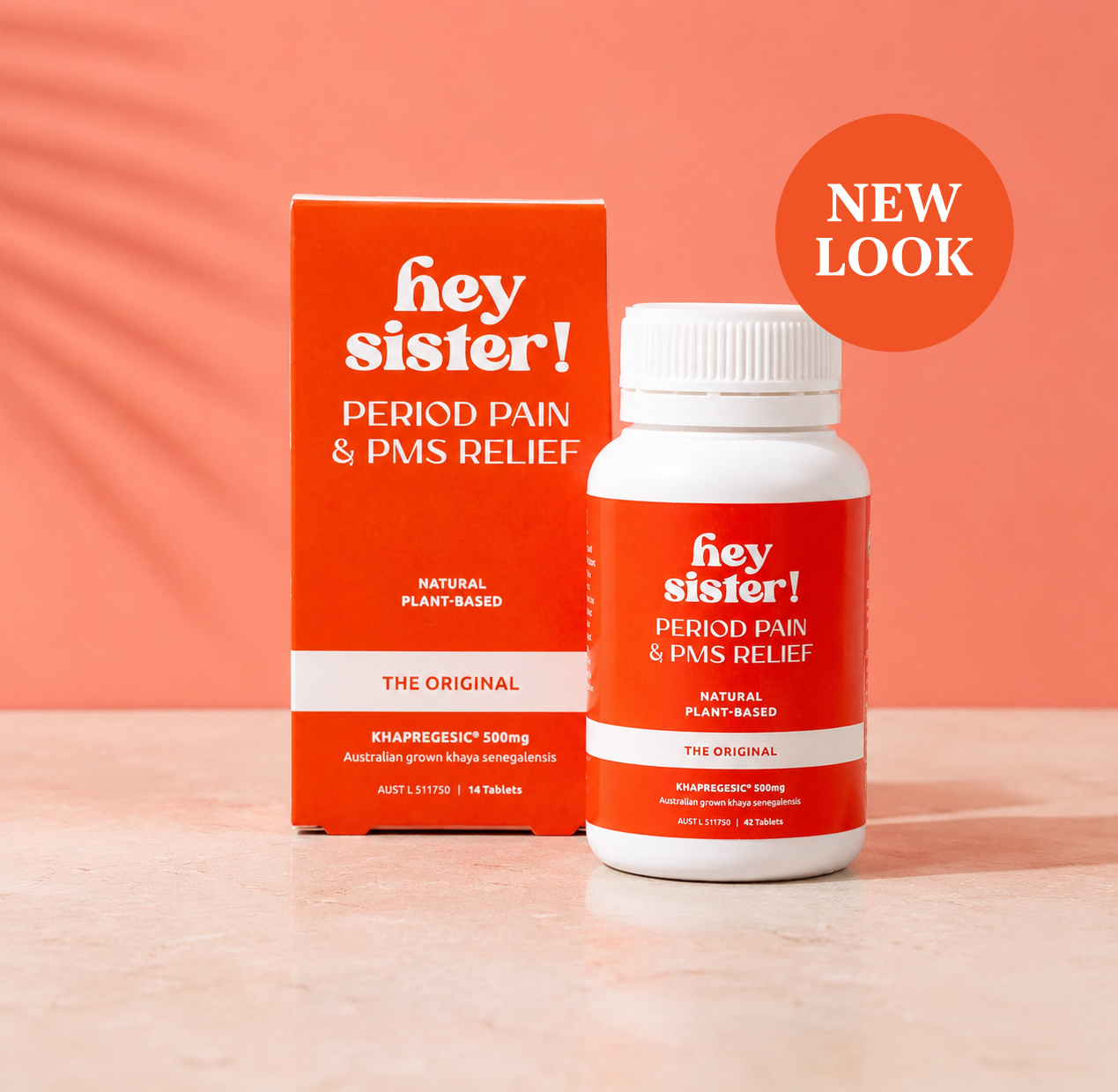
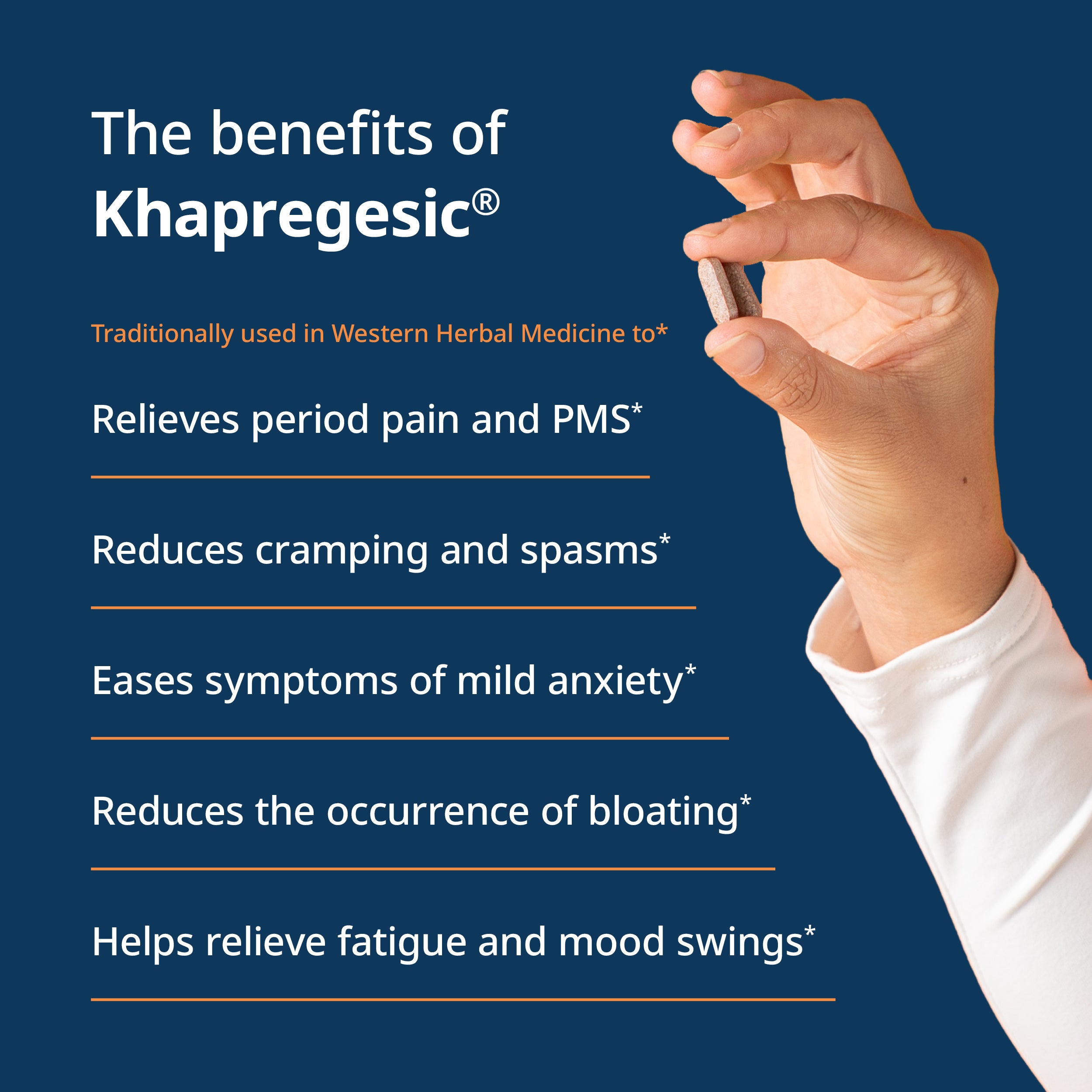
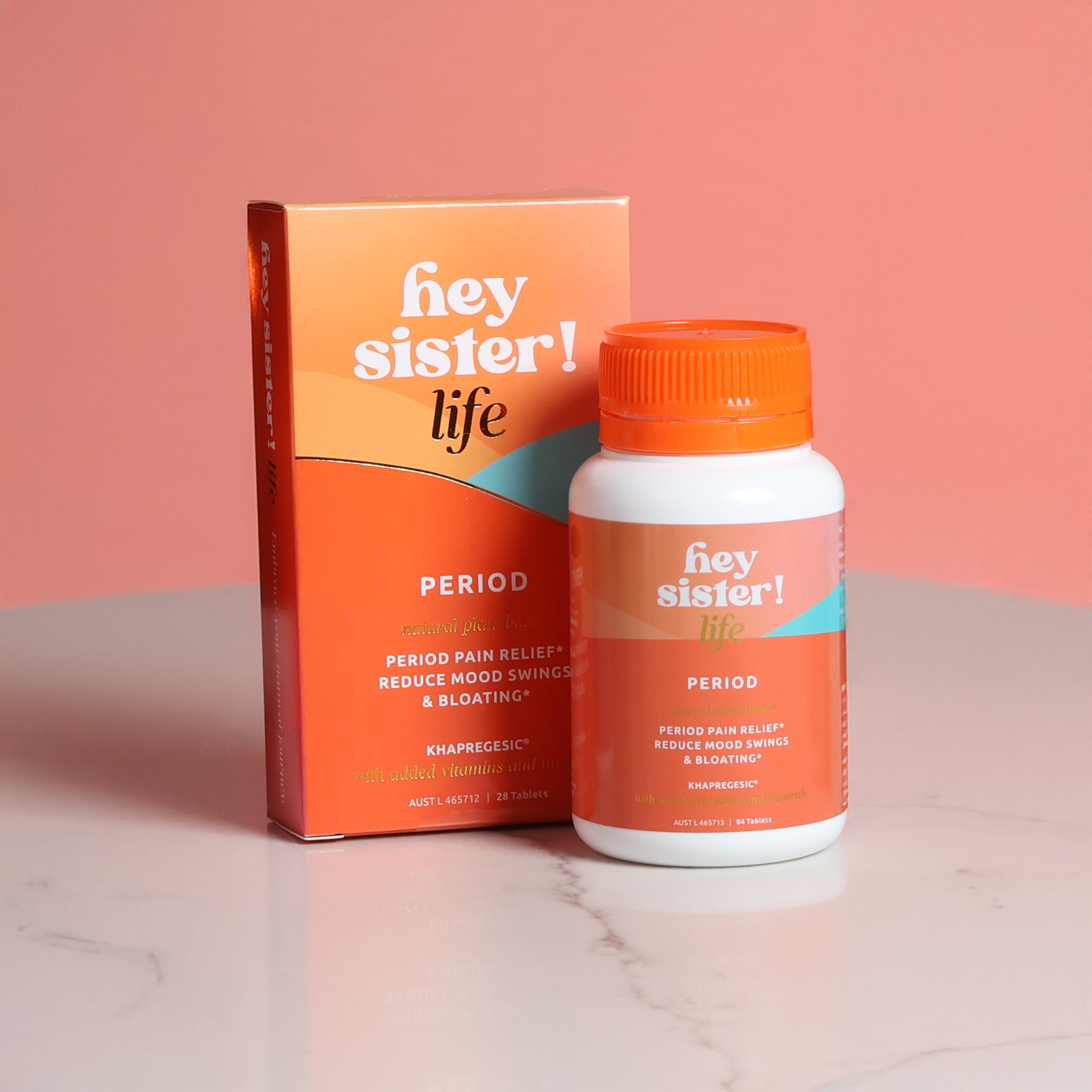
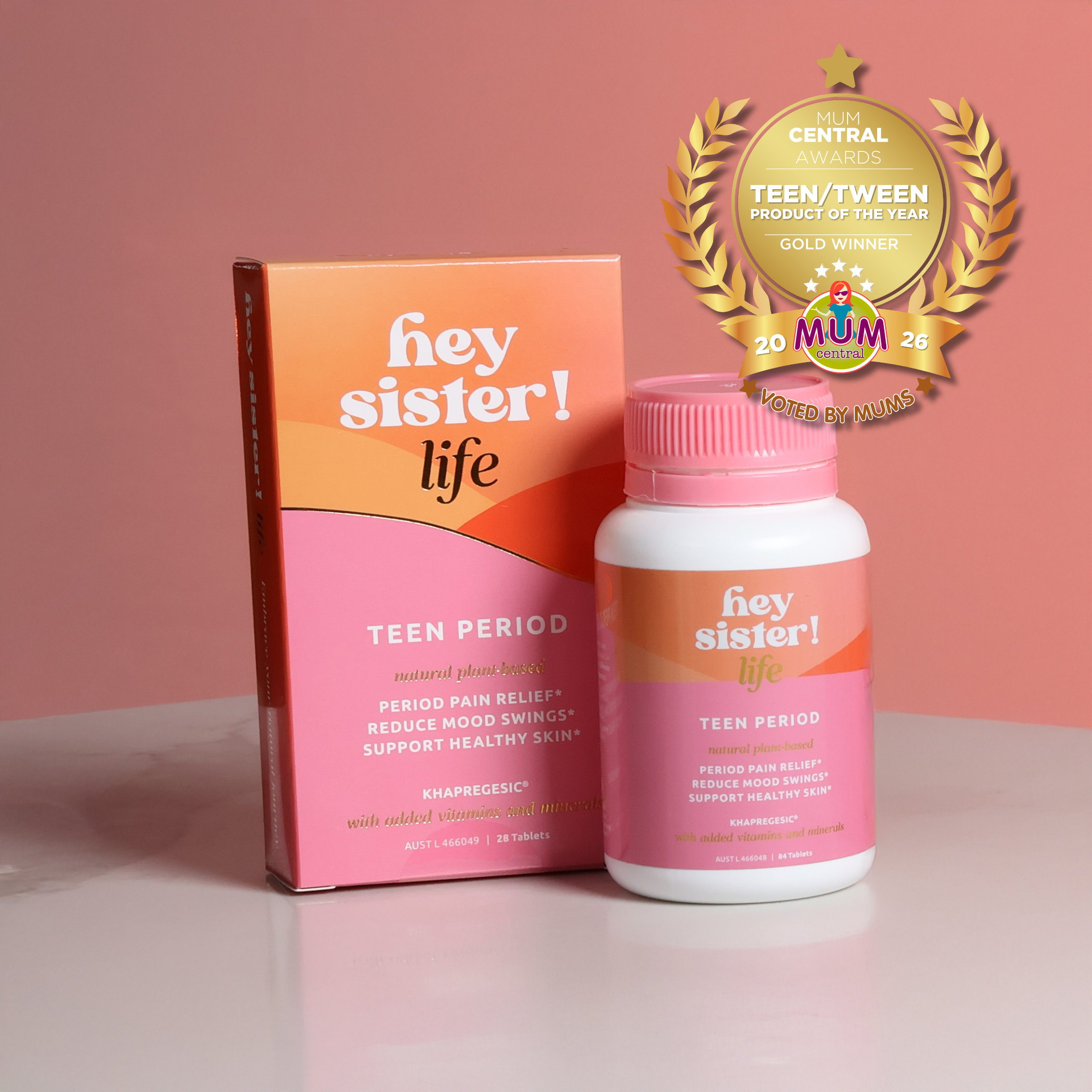
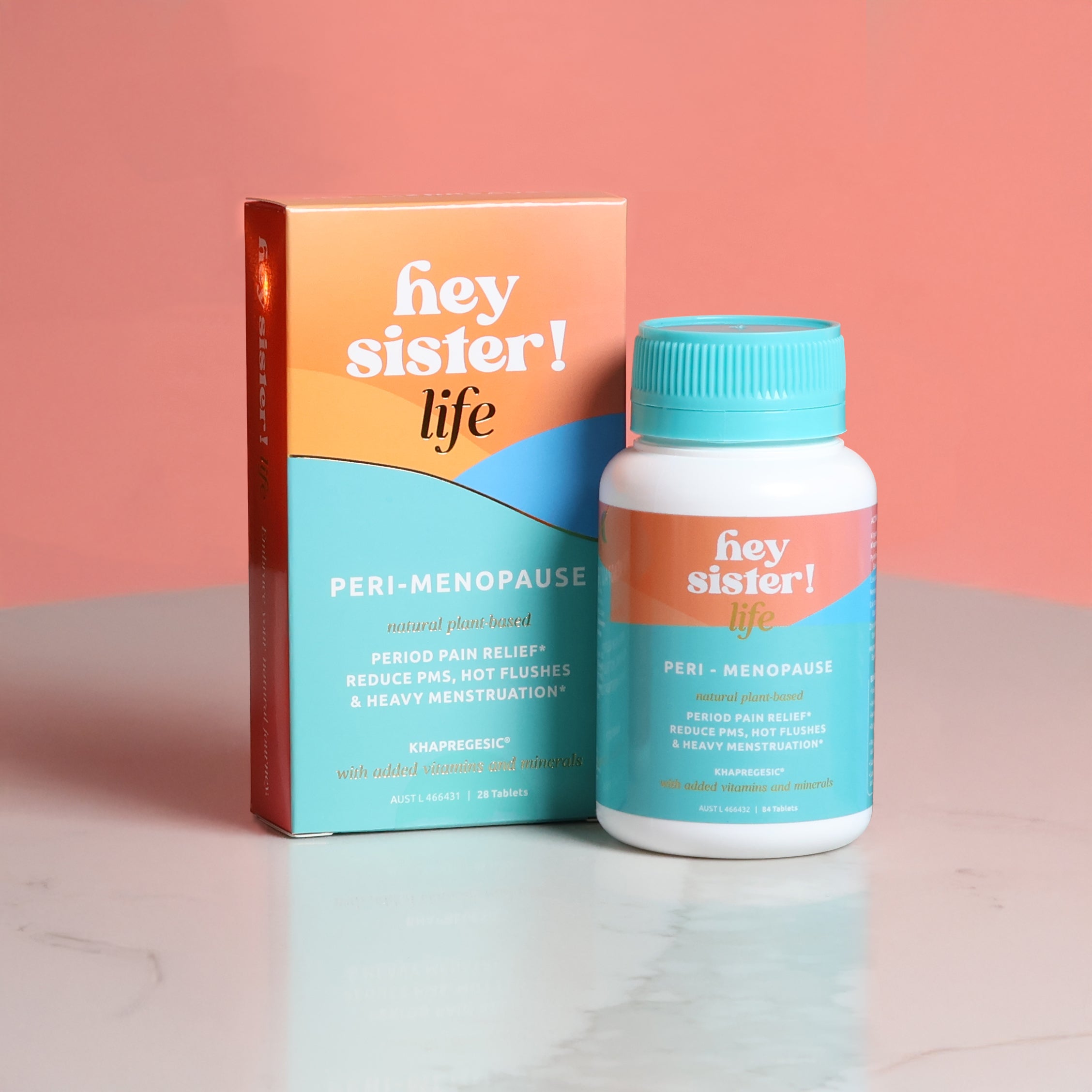
And for women wanting a drug-free support option, Khapregesic® can be part of a consistent, plant-based routine - especially when used across multiple cycles rather than as a one-off ‘rescue’.
Because meaningful change is rarely built on a single heroic moment.
It is built on what you do consistently.
The future of women’s sport is cycle-smart
Australian research already shows menstrual symptoms are common and often perceived to affect performance, while communication and training adjustments still lag behind.¹ ²
That gap is where progress lives.
Not in telling women to push through harder.
Not in glorifying silence.
Not in pretending every body should feel the same every day of the month.
By listening.
By adjusting.
By supporting.
That is not softness.
That is smarter sport.
Join the conversation
Have you ever pushed through cramps or fatigue because you felt like you had no choice?
Has tracking your cycle changed the way you train, compete, or recover?
What is your go-to cycle hack when your body is clearly not in the mood for nonsense?
Drop it in the comments. Someone else probably needs to hear it.
FAQs
Does your menstrual cycle affect athletic performance?
It can. Hormonal shifts may influence pain, sleep, mood, perceived effort, thermoregulation, and recovery, all of which can affect how training and competition feel.³ ⁴ ⁵
Is it safe to train on your period?
For most people, yes. Many women train and compete safely during menstruation. The key is adjusting intensity based on symptoms, energy, and recovery. Seek medical advice if you have severe pain, dizziness, very heavy bleeding, or symptoms that feel unusual.
What is hormone-aware training?
Hormone-aware training means adapting training load, recovery, and support according to cycle phase and symptom patterns rather than assuming the body feels the same every day.
Do athletes perform worse in the luteal phase?
Some do, especially with endurance work, sleep disruption, heat tolerance, and perceived effort. Evidence is mixed, and individual variation is significant.³ ⁴
Why do I get diarrhoea or nausea on my period?
Prostaglandins can affect smooth muscle and inflammation beyond the uterus, including the gut. That is why some women experience diarrhoea, nausea, or abdominal discomfort during their period.⁵
What is the best workout for period cramps?
That depends on the person and the severity of symptoms. Light-to-moderate movement, walking, stretching, mobility work, and heat can help. Some women feel better once they get moving, while others need lower impact or more rest.
When should I see a GP in Australia for period pain?
See a GP if pain is severe, worsening, affecting daily life, causing missed training or work, or if you suspect endometriosis, adenomyosis, or another underlying condition. Do not let ‘it’s common’ be the end of the conversation.
Does cycle tracking help training results?
It often helps with consistency. Tracking can show when you tend to feel stronger, when symptoms usually hit, and when recovery needs more support. It is less about restriction and more about planning smarter.
Do hormonal contraceptives change cycle-related symptoms in sport?
Yes. Bleeding patterns and symptoms can differ with hormonal contraception, so your experience may not match a natural cycle pattern. Tracking is still useful because your real-world pattern matters more than generic advice.
How long does natural support take to work?
Often more than one cycle. Consistency matters, especially when supporting inflammation, stress response, gut health, and menstrual comfort over time.
References
McNamara, A., Harris, R., & Minahan, C. (2022). ‘That time of the month’ … for the biggest event of your career! Perception of menstrual cycle on performance of Australian athletes training for the 2020 Olympic and Paralympic Games. BMJ Open Sport & Exercise Medicine, 8(2), e001300. https://bmjopensem.bmj.com/content/8/2/e001300
Oosthuyse, T., & Bosch, A. N. (2005). The menstrual cycle and sport performance. Sports Medicine, 35(12), 1075–1083. https://pubmed.ncbi.nlm.nih.gov/15892917/
McNulty, K. L., Elliot-Sale, K. J., Dolan, E., Swinton, P. A., Ansdell, P., Goodall, S., Thomas, K., Hicks, K. M., & Midgley, A. W. (2021). Effects of menstrual cycle phase on elite athlete performance: A systematic review. Sports Medicine, 51(8), 1793–1808. https://pmc.ncbi.nlm.nih.gov/articles/PMC8170151/
Nagy, H., Carlson, K., & Khan, M. A. B. (2025). Dysmenorrhea. In StatPearls. StatPearls Publishing. https://www.ncbi.nlm.nih.gov/books/NBK560834/
Solis, L., et al. (2022). Impact of premenstrual syndrome symptoms on sport routines in nonelite athletes. Journal of Sports Medicine or related journal record. https://pubmed.ncbi.nlm.nih.gov/36577421/
Kłapcińska, B., et al. (2020). The impact of competitive sports on menstrual cycle and menstrual disorders, including premenstrual syndrome, premenstrual dysphoric disorder and hormonal imbalances. Ginekologia Polska, 91(9), 515–521. https://journals.viamedica.pl/ginekologia_polska/article/view/GP.2020.0097