From period pain to menopause, “just coping” has been the expectation. Australian workplaces and women deserve better.
Opening
There’s a particular kind of pain women are expected to carry quietly.
The cramp you breathe through in meetings.
The migraine you mask with a smile.
The hot flush you pretend isn’t happening while presenting.
The exhaustion you explain away as “just one of those weeks”.
For generations, women have been told this is normal. Part of life. Part of being a woman.
But here’s the uncomfortable truth:
Normalising pain is not the same as supporting health.
And in workplaces across Australia, that difference matters more than ever.
Normalising pain: how we got here
In Australia, conversations about women’s health have historically lived in the private sphere, whispered, minimised, or dismissed entirely. Period pain was “something you just deal with”. Menopause was something you were expected to “push through quietly”.
That cultural framing has consequences.
When pain is normalised, it stops being treated as something worthy of support. It becomes invisible, even when it’s severe, recurrent, or genuinely debilitating. Research and advocacy consistently show that many Australian women continue working through significant menstrual and menopausal symptoms, often at the cost of productivity, wellbeing and career progression¹².
The message is rarely explicit. It’s subtler than that.
Don’t make a fuss.
Don’t ask for adjustments.
Don’t be “difficult”.
Just cope.
Why ‘just coping’ is a business risk
From a business perspective, normalising pain isn’t just a cultural issue; it’s a workplace risk.
Australian employers have legal obligations under Work Health and Safety and anti-discrimination legislation to take reasonably practicable steps to protect employee health and ensure equal opportunity³⁴. When significant symptoms are known or reasonably foreseeable and unsupported, organisations can be exposed to risk.
But beyond compliance, there’s a commercial reality.
Unmanaged period pain and menopause symptoms are linked to absenteeism, presenteeism, disengagement and turnover, particularly among mid-career women, one of the most experienced and valuable cohorts in the workforce⁵⁴.
When women are expected to “push through” without support, the cost shows up quietly: reduced performance, stalled leadership pipelines, and talented people leaving altogether.
Australia is starting to shift… Slowly
The good news? The conversation is changing.
The Australian Public Service Commission now explicitly expects agencies to provide appropriate support and reasonable adjustments for employees experiencing perimenopause and menopause symptoms³. This includes sensitive handling of requests and minimising unnecessary evidence barriers.
State-based guidance is also evolving. In Victoria, menopause is increasingly framed as a mainstream WHS and inclusion issue, not a niche wellbeing perk¹. That reframing matters. It moves women’s health out of the “personal problem” bucket and into organisational responsibility.
Progressive Australian employers are leading the way.
Organisations such as the Victorian Women’s Trust and Future Group have introduced paid menstrual and menopause leave (typically six to twelve days per year), alongside flexible work options and manager education²⁶⁷. Importantly, evidence shows these policies are not widely abused, a concern often raised but rarely substantiated.
Choosing support: what it actually looks like
Support doesn’t have to be complicated. Australian evidence consistently points to flexibility, trust and low-bureaucracy adjustments as the most effective interventions¹³.
Practical examples include:
Flexible work arrangements that allow for remote work, adjusted hours or additional breaks during symptom flare-ups.
Environmental adjustments such as access to cooler spaces, quiet rooms or camera-off options for virtual meetings⁸.
Specific leave provisions that recognise recurring symptoms, rather than forcing women to exhaust sick leave or take unpaid time off²⁶.
Manager capability training so leaders can respond with confidence, discretion and respect⁵¹.
The most effective organisations don’t rely on a single policy. They create an ecosystem of support that acknowledges the full life course, menstruation, fertility treatment, perimenopause and menopause as normal parts of working life.
From periods to menopause: a whole-of-life approach
A growing body of Australian guidance recommends moving away from fragmented initiatives towards an integrated women’s health strategy¹³.
That means recognising that a teenager navigating painful periods, a parent managing PMS, and a senior leader experiencing menopause are not separate issues; they’re connected.
For employers, this approach supports continuity, equity and retention. For women, it sends a powerful message: you don’t have to suffer in silence to succeed.
Where Hey Sister! fits in
Support doesn’t stop at policy.
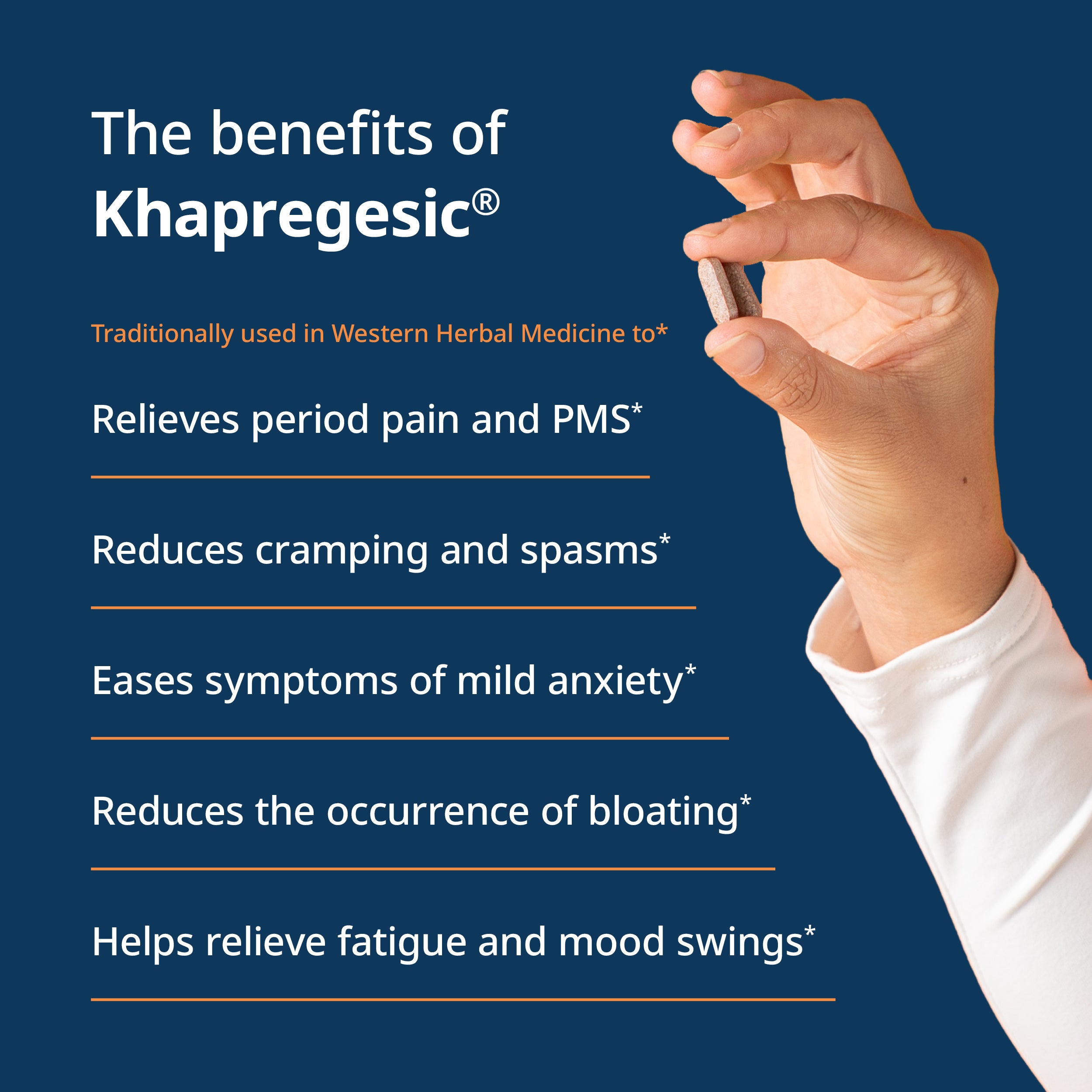
For many women, access to natural, evidence-based relief for period pain, PMS and perimenopause symptoms can make a tangible difference to daily functioning and quality of life.
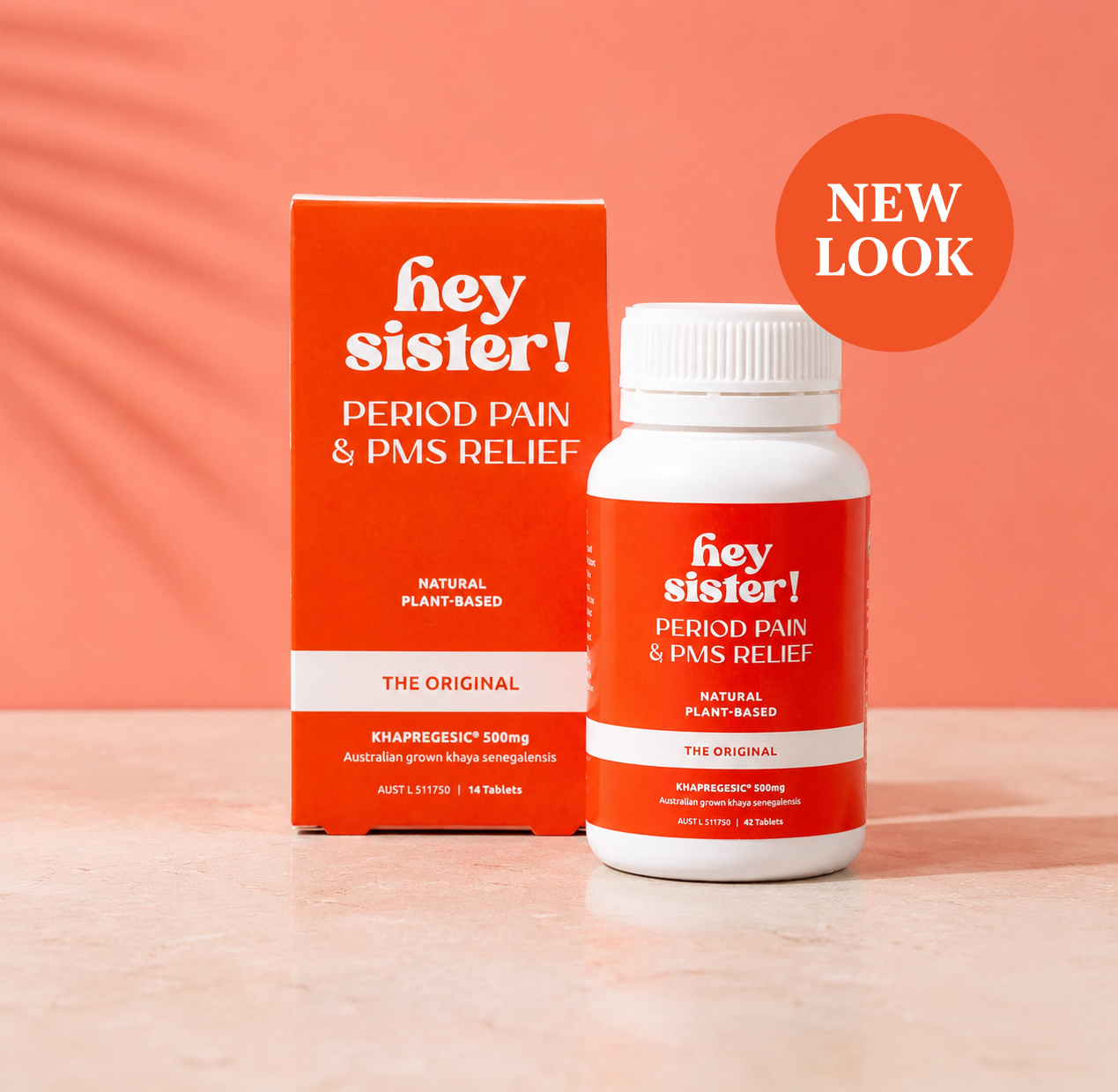
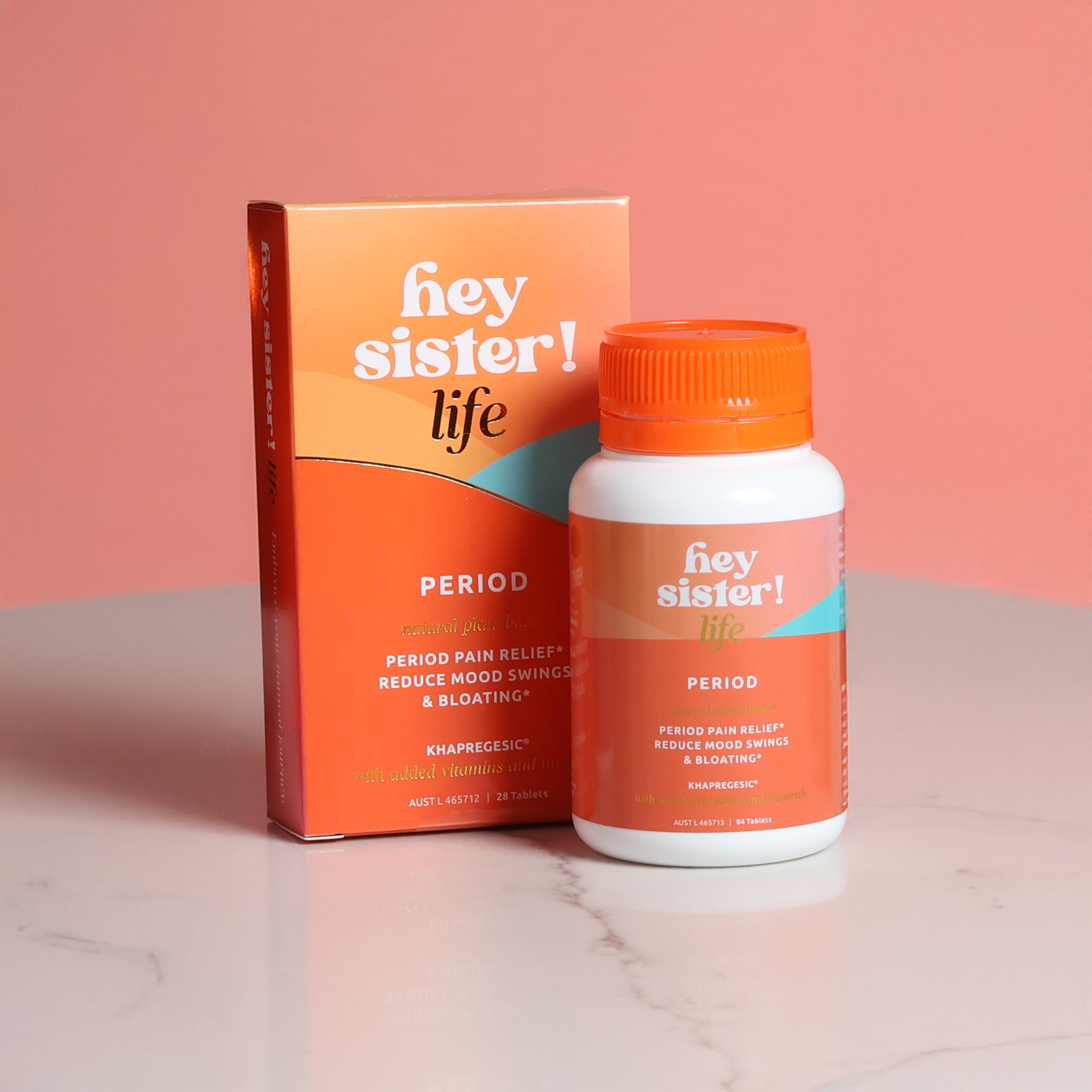
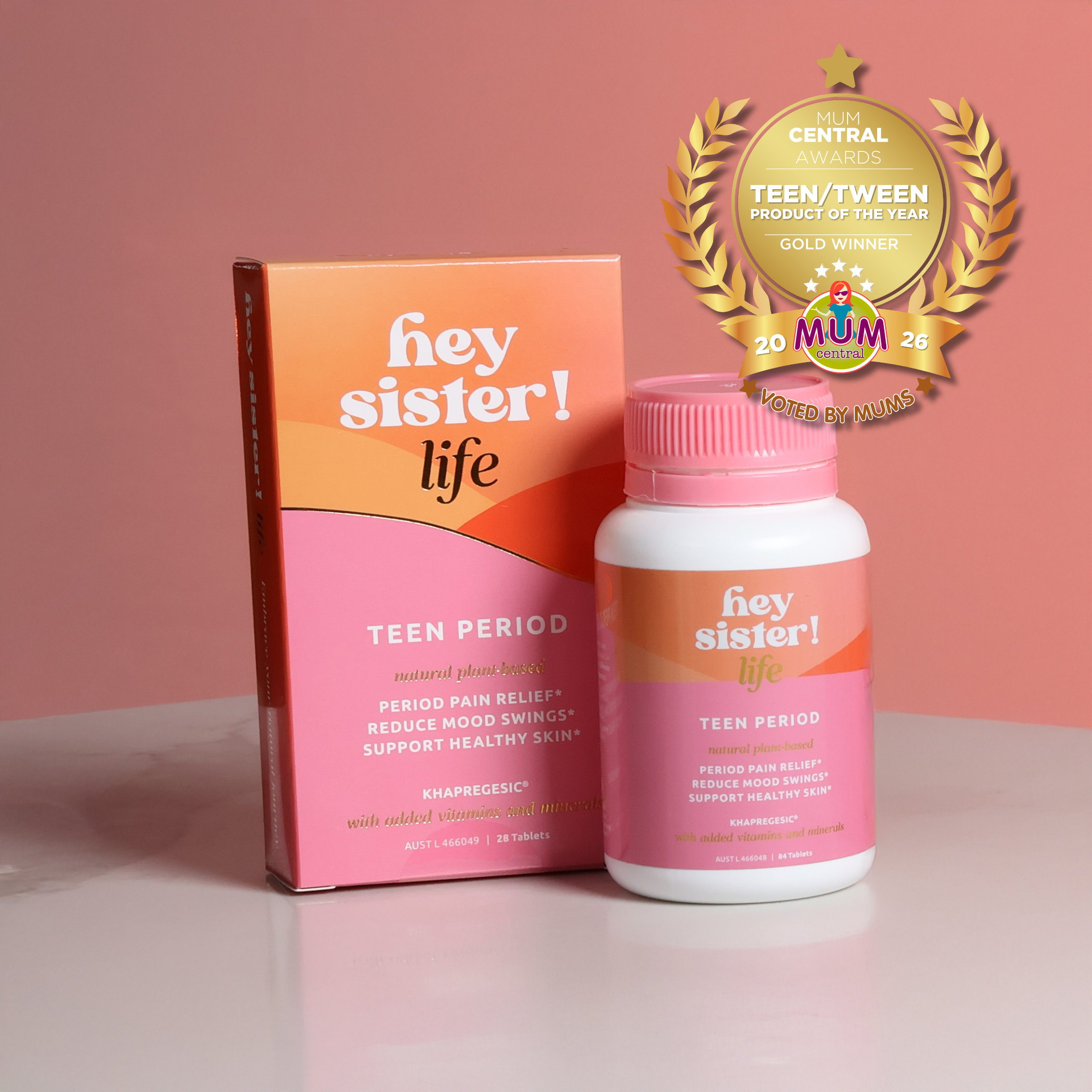
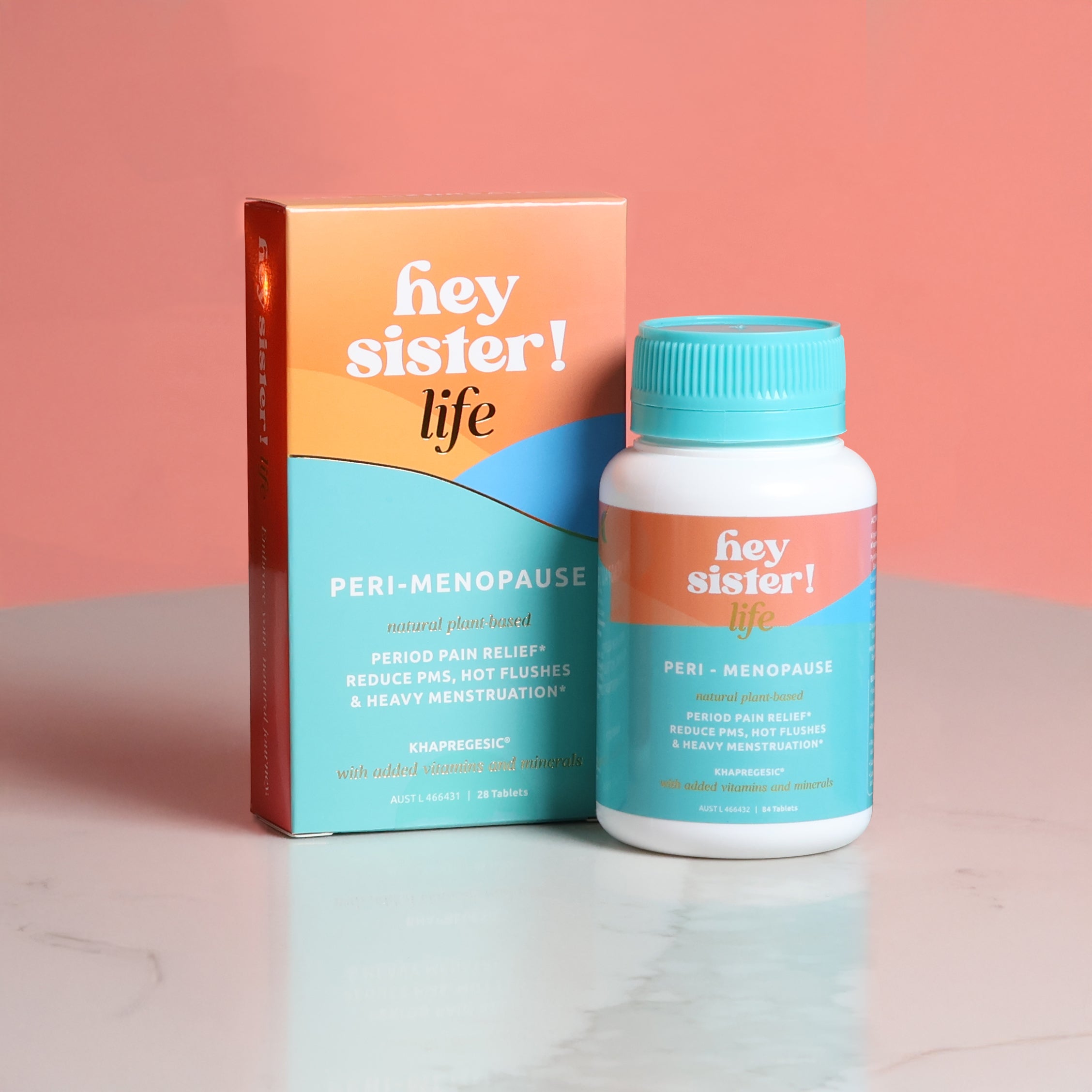
Hey Sister! was created to challenge the idea that pain is something to be endured. Our plant-based formulations are designed to support the body, not override it, helping women stay engaged in work and life without masking symptoms or pushing through unnecessarily.
Choosing support is about removing barriers. Practical, accessible tools matter.
Changing the conversation, together
Normalising women’s pain has never made workplaces fairer, healthier or more productive. It has simply made suffering quieter.
The shift now underway in Australia asks a different question:
What if we stopped treating pain as inevitable and started treating support as standard?
That’s not about special treatment.
It’s about realistic expectations, inclusive systems and sustainable performance.
And it’s long overdue.
🧡
FAQ section
Is period pain considered a workplace issue in Australia?
Yes. Where symptoms affect health, safety or capacity to work, employers may have obligations under WHS and discrimination laws³⁴.
Are Australian workplaces offering menstrual or menopause leave?
Some are. Progressive employers and advocacy bodies have introduced paid leave provisions ranging from six to twelve days per year²⁶⁷.
Why is supporting menopause important for businesses?
Menopause-age women represent a growing share of the workforce. Supporting them improves retention, leadership continuity and productivity⁴⁹.
What kind of support do employees actually want?
Flexible work, understanding managers, environmental adjustments and minimal bureaucracy consistently rank highest¹³⁵.
Resources
-
Women’s Health East – How to become a menopause-friendly workplace
-
For Australia – Menstrual leave in Australia
-
Australian Public Service Commission – Supporting employees experiencing menopause
-
Menopause Friendly Australia – Workplace guidance
-
Transitioning Well – Australian menopause workplace case study
-
Victorian Women’s Trust – Menstrual and menopause wellbeing policy
-
Future Group – Menstrual and menopausal leave policy
-
ABC News – Menstrual and menopause leave explained
-
Peninsula Group – Creating menopause-friendly workplaces
-
WorkSafe Tasmania – Women’s health and menopause